Is Aptean a Good ERP for Retail Businesses?
In the fast-paced retail industry, managing inventory, customer relations, and financial operations efficiently is crucial for success. Enterprise Resource Planning (ERP) systems play a vital role in integrating these various business processes, enhancing operational efficiency, and improving decision-making capabilities. One such ERP solution is Aptean. But is Aptean a good ERP for retail businesses? This blog will explore the strengths and weaknesses of Aptean, helping you determine if it is the right fit for your retail operations.
Strengths of Aptean for Retail
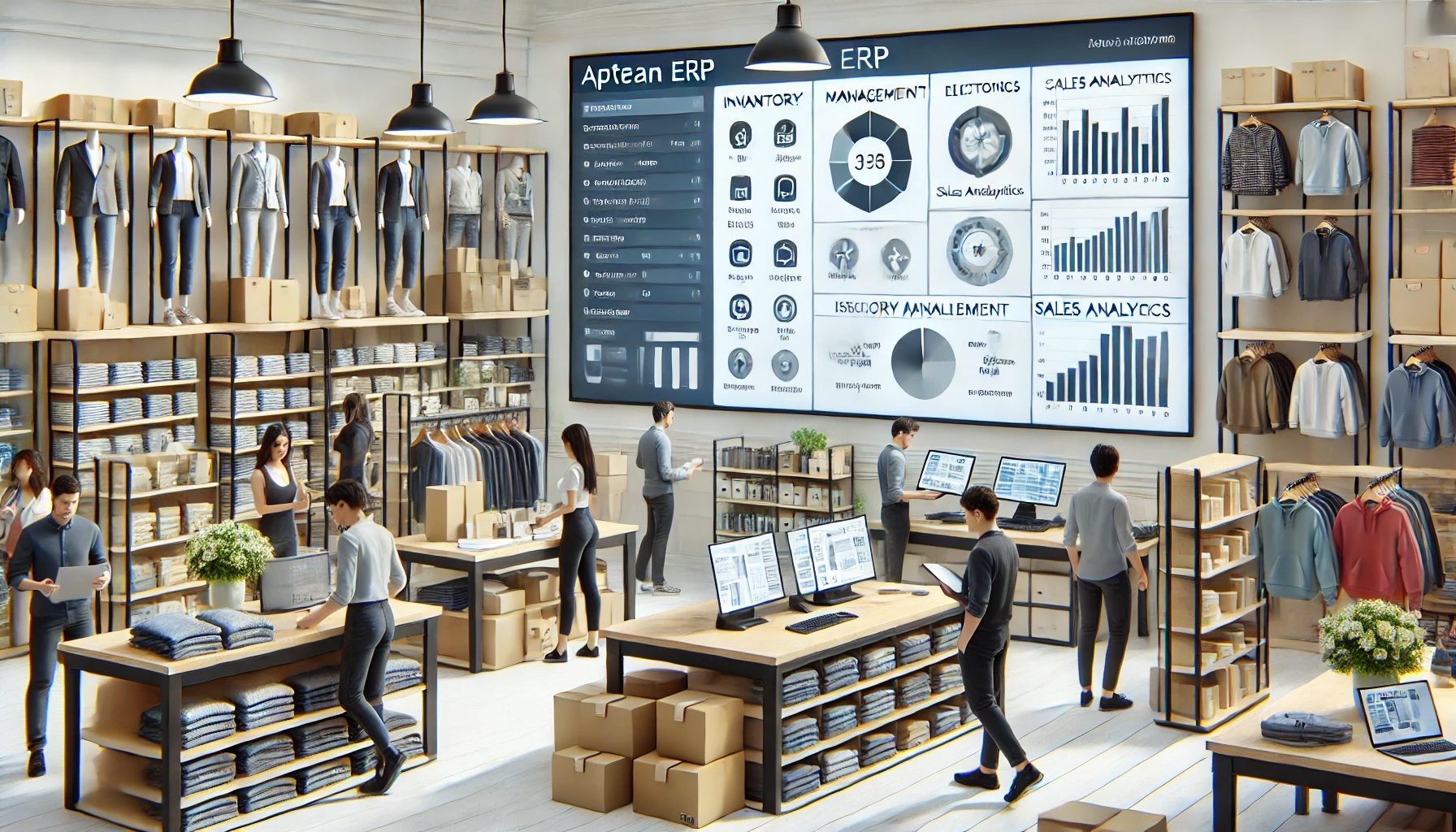
- Comprehensive Retail-Specific Functionality Aptean offers a wide range of modules tailored specifically for the retail industry. These include inventory management, point of sale (POS) systems, customer relationship management (CRM), and financial management. This comprehensive functionality ensures that all aspects of retail operations are integrated and streamlined, from stock management to customer interactions.
- Real-Time Data and Analyticsc One of the standout features of Aptean is its real-time data and analytics capabilities. The system provides real-time visibility into sales, inventory levels, and customer behavior. This real-time monitoring allows retailers to make data-driven decisions quickly, enhancing operational efficiency and improving responsiveness to market trends.
- Omnichannel Integration Aptean supports omnichannel retailing, allowing businesses to manage both online and offline sales channels seamlessly. This integration ensures a consistent customer experience across all touchpoints, helping retailers manage inventory and customer relationships more effectively.
- User-Friendly Interface Aptean’s user-friendly interface makes it accessible to employees at all levels of the organization. The intuitive design reduces the learning curve, allowing staff to quickly adopt and effectively use the system. This ease of use is particularly beneficial in a fast-paced retail environment where time and efficiency are critical.
Weaknesses of Aptean for Retail
- High Implementation Costs One of the primary drawbacks of Aptean is its high implementation cost. The initial setup, customization, and integration fees can be significant, which may be a barrier for smaller retail businesses with limited budgets. Ongoing maintenance and support costs can also add up over time.
- Complex Implementation Process Implementing Aptean can be complex and time-consuming, particularly for larger retailers with extensive existing systems. The transition to a new ERP system requires careful planning, significant resources, and potentially, the assistance of external consultants. This complexity can delay the realization of benefits.
- Customization Challenges While Aptean offers extensive customization options, these can require additional time and financial investment. Retailers with specific and complex needs might incur higher costs to tailor the system to their exact requirements. Custom development and integration with other systems can also be resource-intensive.
- User Training Requirements Due to its comprehensive features and capabilities, Aptean ERP has a learning curve. Extensive user training is necessary to ensure that employees can utilize the system effectively. This training can be time-consuming and may require additional resources, which can be challenging for smaller businesses.
Conclusion
Aptean ERP offers a range of powerful tools that can significantly benefit retail businesses. Its strengths in comprehensive retail-specific functionality, real-time data and analytics, omnichannel integration, and user-friendly interface make it an attractive option for many companies in this sector. However, the system also presents challenges, such as high implementation costs, complex implementation processes, customization challenges, and user training requirements. Retailers must weigh these factors carefully against their specific needs and resources.
Ultimately, whether Aptean is the right choice for a retail business depends on its size, budget, and operational requirements. By thoroughly evaluating these aspects and considering potential challenges, retailers can make an informed decision that aligns with their strategic goals and enhances their operational efficiency. Click this link to find out more about Aptean.
To compare Aptean with 100s of other ERP solutions, you can use our new AI-powered Compare ERP tool. It’s free to use and you get a guaranteed discount on your first year’s licence fees with a referral from Compare ERP.