Is Sage a Good ERP for Manufacturing?
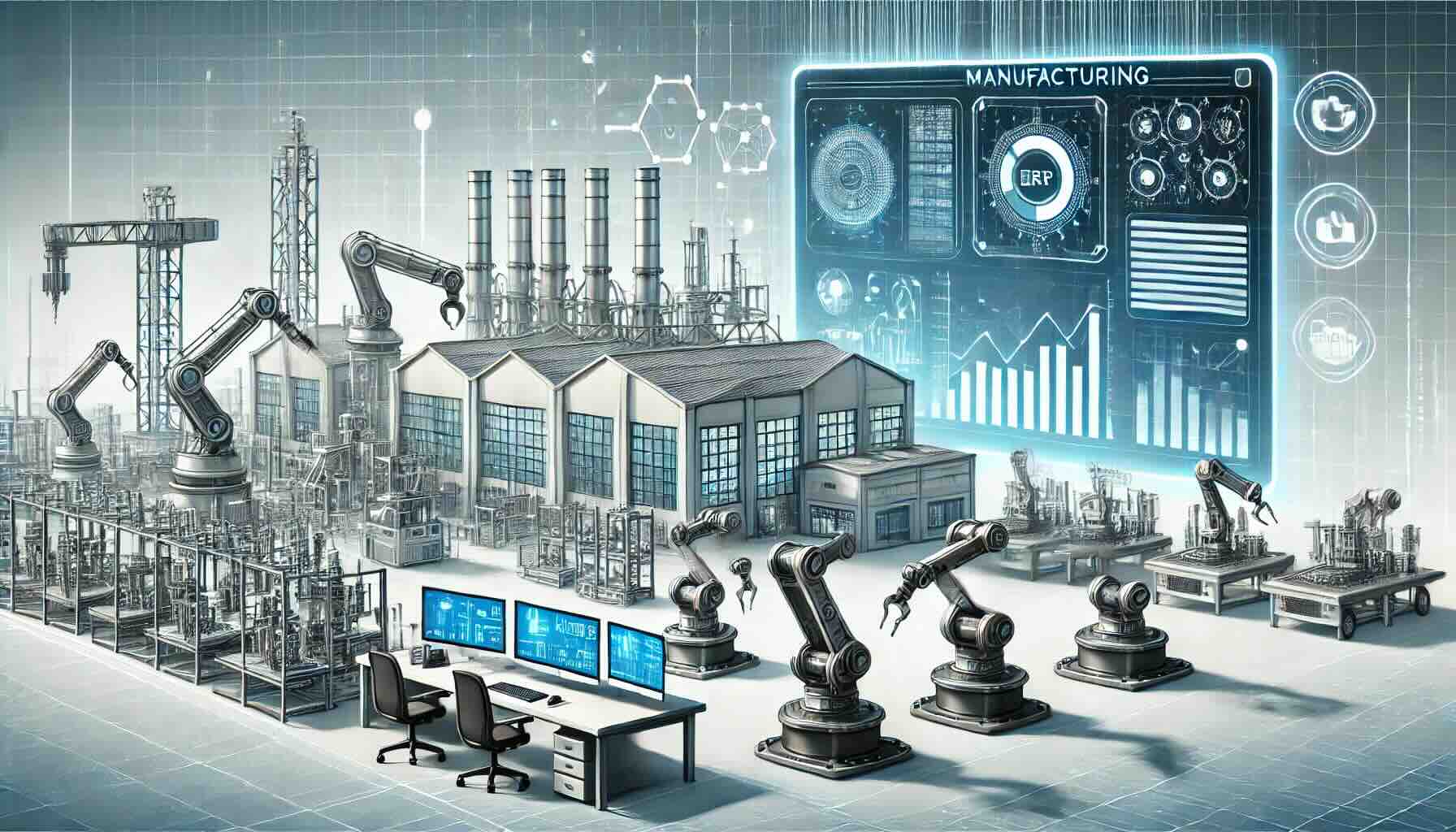
Businesses in the manufacturing industry require a robust and efficient ERP system. Manufacturers need solutions that can seamlessly integrate various facets of their operations, from supply chain management to production scheduling. So, is Sage a good ERP for manufacturing? And how does it cater to the specific challenges faced by the manufacturing industry? Let’s take a look.
The Strengths of Sage:
- Integration & Automation. Sage ERP for manufacturing stands out for its ability to integrate disparate business functions. Manufacturers can streamline processes like inventory management and customer relationships under one system, reducing manual entry and risk of errors.
- Scalability. Sage ERP’s scalable nature means that companies can start with essential functionalities and add more features as they expand, ensuring the ERP system grows along with the business.
- Customization & User Experience. With customizable options, users can modify the system to fit their business model. Sage ERP’s intuitive interface means it’s easy to use and does not come with a steep learning curve.
- Financial Management. Sage ERP provides extensive tools for managing finances – including budgeting, forecasting, and reporting – all of which are essential for companies to operate cost-effectively and generate reliable profits.
The Drawbacks of Sage:
- Complex Manufacturing Processes. While Sage ERP caters well to general manufacturing requirements, it may struggle in sectors which operate with highly specialized manufacturing processes, like aerospace or automotive. Here, the system might lack the depth in process management or quality control that these industries rely on.
- Specialized Equipment Integration. Some manufacturing companies depend on highly specialized machinery. Sage ERP might fail to integrate with certain types of equipment, resulting in additional customizations or supplementary systems.
- Cost Implications. For smaller manufacturing companies or startups, the investment in Sage ERP – including initial setup and ongoing maintenance – is a significant factor to consider.
- Support & Training Challenges. The effectiveness of Sage ERP depends heavily on correct implementation and ongoing support. Some users have reported challenges in finding specialized support, limiting the system’s effectiveness and ease of adoption.
To Conclude: Should You Opt for Sage ERP?
Sage ERP is well-suited for small to medium-sized manufacturers with standard manufacturing processes. Its financial management capabilities, ease of use and customization options all make it an attractive choice. However, for businesses with complex manufacturing needs, or those requiring deep integration with specific machinery, it might be smarter to explore other ERP solutions.
While Sage ERP doesn’t accommodate for every manufacturing business, its strengths in integration, scalability and financial management mean that – for many manufacturers – it is certainly a solution worth considering. Click this link to find out more about Sage for manufacturing.
To compare Sage with 100s of other ERP solutions, you can use our new AI-powered Compare ERP tool. It’s free to use and you get a guaranteed discount on your first year’s licence fees with a referral from Compare ERP.